
Exploring 100 Years of European Men's Fashion Color Combinations
MANCOLOR MATCHING PRINCIPLES
10/30/20252 min read


Introduction to European Men's Fashion
Men's fashion in Europe has evolved significantly over the last century, showcasing a rich tapestry of color combinations that reflect cultural and societal changes. From the muted tones of the early twentieth century to the bold hues of modern styles, understanding these trends helps illuminate how color influences men's clothing choices today.
The Early 20th Century: A Palette of Subdued Tones
In the early 1900s, European men often donned clothing in muted colors such as grey, brown, and navy. These shades were not only practical but also signified professionalism and modesty during a time when formal wear was the norm. Tailored suits became a staple, typically made with wool fabrics that further accentuated the subdued color schemes. This era laid the foundation for future trends by establishing a standard of elegance based on simplicity and restraint.
The Color Explosion of the 1960s and 1970s
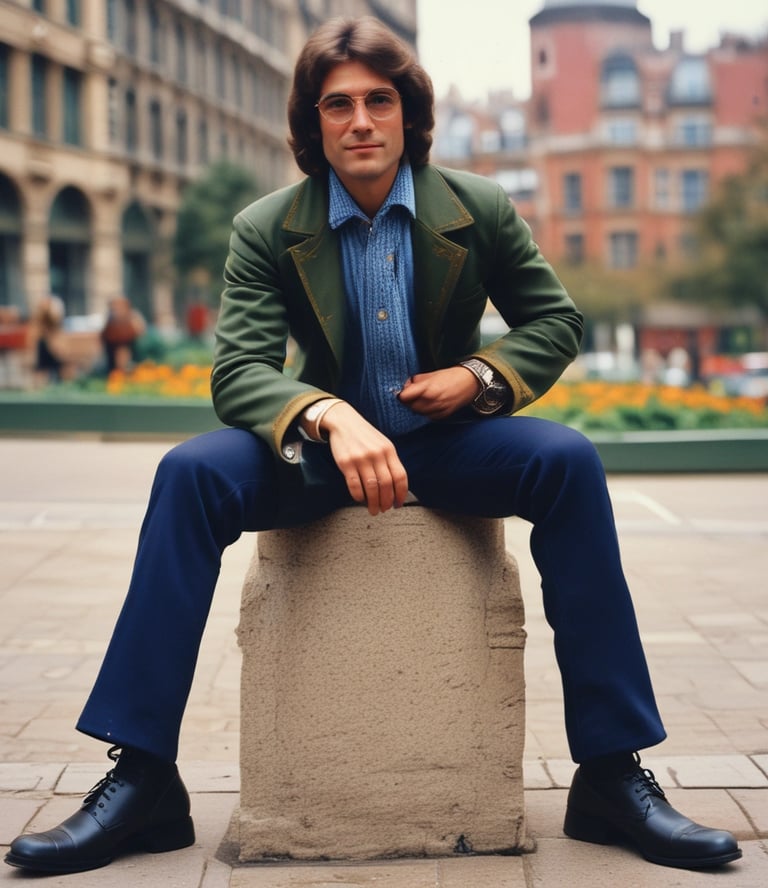
The post-war period ushered in a wave of revolutionary styles in the 1960s and 1970s. This was a time when men began to embrace brighter colors, influenced by the cultural movements and the rise of youth culture. Iconic colors such as bright oranges, mint greens, and even floral patterns took center stage, departing from the prior decade's conservatism. These vibrant colors reflected a sense of freedom and experimentation, making room for individual expression in men's wardrobes.
Modern Trends: A Blend of Classic and Contemporary
As we moved into the 21st century, European men's fashion witnessed a sophisticated fusion of classic and contemporary aesthetics. Today's trends often incorporate a variety of colors that cater to personal style while emphasizing versatility. Earthy tones, such as olive green and beige, have become popular, alongside bolder choices like royal blue and bright red. This eclectic mix allows for use in various occasions, creating outfits that range from casual to formal.
Furthermore, designers are turning toward sustainable practices, reflecting an increasing awareness of environmental issues. This has influenced color trends as well, with many brands opting for natural dyes and organic materials that promote longevity. Overall, as societal attitudes evolve, so too do the color palettes available to men in Europe, creating a dynamic fashion landscape that continues to shift.
In conclusion, the evolution of color combinations in European men's clothing over the past century reveals a fascinating interplay between cultural influences and personal identity. As we look to the future, we can expect to see further innovations in color, fabric choices, and style, making men's fashion an ever-evolving expression of individuality.
Connect
Stay updated with our latest posts.
Subscribe
info@colorparing.com
© 2025 Colorpairing.com. All rights reserved.