
Contrast and Harmony: The Two Extremes of Color Matching
Two fundamental approaches to color matching are contrast and harmony. While they may seem like opposing concepts, both are crucial for crafting compelling outfits and designs.
COLOR MATCHING PRINCIPLES
Rick
10/4/20252 min read
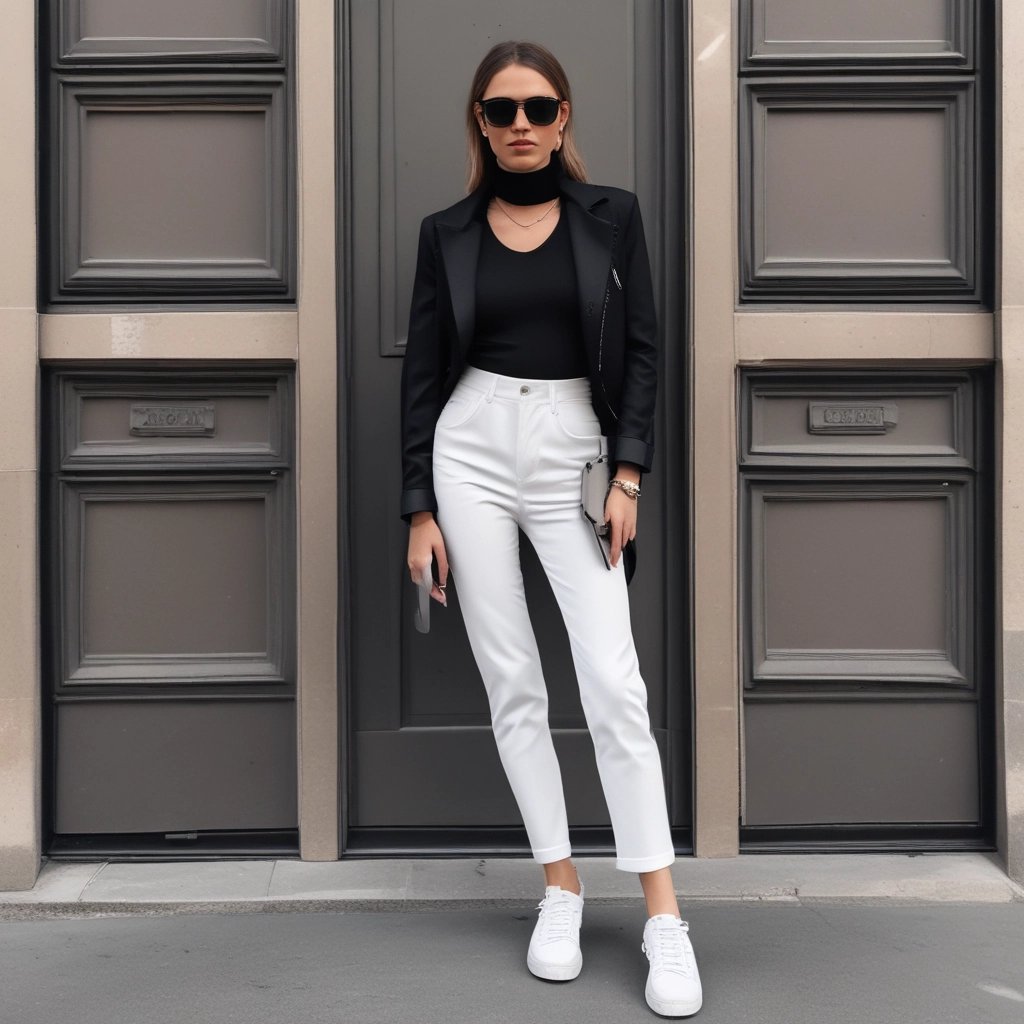
My post content
Understanding Contrast
Contrast refers to the use of opposing colors to create visual interest and drama. This technique can make an outfit stand out by drawing attention to specific elements. Color contrast occurs when two colors are placed next to each other, enhancing their differences and making each color appear more vibrant.
Types of Contrast
Complementary Contrast: This is achieved by using colors that are opposite each other on the color wheel, such as blue and orange or red and green. Complementary colors create a striking visual impact and can energize an outfit.
Value Contrast: This involves using colors with different levels of brightness. For example, pairing a dark navy blue with a bright yellow creates a strong value contrast that can highlight particular features of an outfit.
Saturation Contrast: Mixing saturated colors with muted tones can also create contrast. For instance, a bright pink paired with a soft gray can add depth and dimension to your look.
The Power of Harmony
On the flip side, harmony is about creating a cohesive and pleasing color palette. This approach focuses on blending colors that complement each other, resulting in a more subtle and sophisticated appearance. Harmonious color combinations evoke feelings of calmness and unity, making them ideal for settings where a serene atmosphere is desired.
Types of Harmony
Analogous Harmony: This involves selecting colors that are next to each other on the color wheel, such as blue, teal, and green. This combination creates a serene and harmonious look, perfect for casual outfits or nature-inspired designs.
Monochromatic Harmony: Using variations of a single color—such as light blue, medium blue, and dark blue—can be very effective. This approach creates a sense of cohesion and sophistication, allowing for a clean and polished appearance.
Triadic Harmony: This technique involves using three colors that are evenly spaced on the color wheel, such as red, yellow, and blue. Triadic combinations offer a balance of contrast and harmony, making them vibrant yet cohesive.
Using Contrast and Harmony in Outfits
Both contrast and harmony can be effectively utilized in your wardrobe to achieve different looks and moods. Here are some tips for incorporating both elements:
Create a Focal Point: Use contrast to draw attention to a specific area of your outfit. For instance, if you’re wearing a neutral outfit, consider adding a bright handbag or shoes to create a focal point.
Balance with Harmony: If you choose to go bold with contrast, balance it out with harmonious elements. For example, if you’re wearing a striking red top with a complementary green skirt, consider using neutral accessories to create a cohesive look.
Layering Techniques: When layering, use contrast to differentiate between pieces while maintaining harmony through color coordination. For instance, you could wear a patterned shirt with contrasting colors under a solid-colored jacket that ties the look together.
Seasonal Considerations: Different seasons often call for different approaches. In spring and summer, light and harmonious colors can create a fresh look, while fall and winter can embrace deeper, contrasting hues for warmth and depth.
Experiment and Adapt: Don’t be afraid to try new combinations of contrast and harmony. Fashion is about self-expression, and testing different color pairings can lead to unique and exciting outfits.
Conclusion
Contrast and harmony are two essential extremes of color matching that can significantly influence your style. By understanding how to use both principles effectively, you can create outfits that are not only visually appealing but also express your personality and mood. Whether you choose to make a bold statement with contrasting colors or opt for a harmonious, cohesive look, mastering these techniques will elevate your fashion game. Embrace the beauty of contrast and harmony, and let your wardrobe reflect the vibrant spectrum of your style!
Connect
Stay updated with our latest posts.
Subscribe
info@colorparing.com
© 2025 Colorpairing.com. All rights reserved.